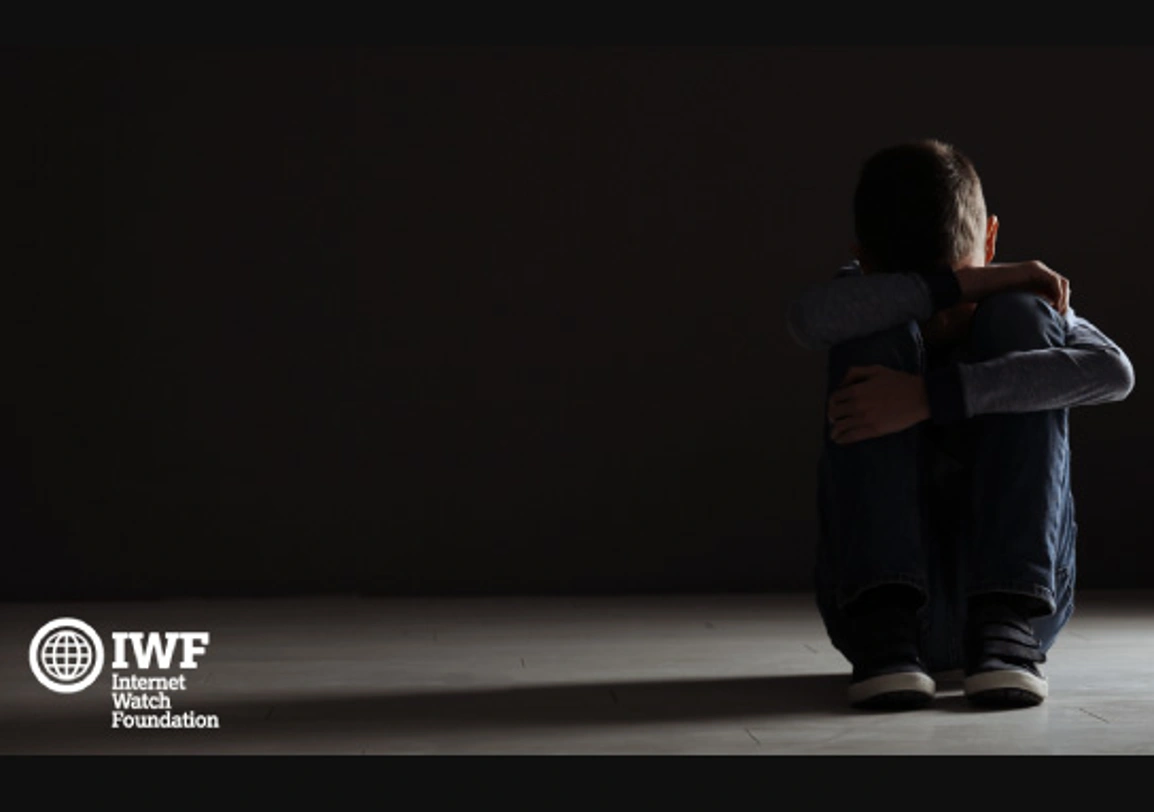
The Internet Watch Foundation has warned of the “staggering” scale of threats to children from predators online, as a new report reveals as many as 850,000 people in the UK could pose a sexual risk to children.
Today (May 25), the National Crime Agency (NCA) releases its 2021 National Strategic Assessment (NSA) of Serious and Organised Crime.
The assessment estimates there to be between 550,000 and 850,000 people in the UK who pose varying forms of sexual risk to children.
The NCA explains this range is not comparable with last year’s figure of 300,000 as it was calculated using a “new, exploratory methodology” following the NCA’s commitment in 2020 to evolve its understanding of the number of offenders.
Susie Hargreaves OBE, Chief Executive of the Internet Watch Foundation (IWF), the UK-based charity responsible for finding and removing child sexual abuse material from the internet, said offenders have been taking advantage of the number of children online to abuse youngsters in their own homes.
Ms Hargreaves said: “Every parent out there needs to understand the risk, and what it means for their children at home on their devices.
“You think they are safe at home, but they could be talking to anyone, and anyone could be grooming, bullying, threatening, or tricking them into abusing themselves or their siblings for predators to watch.
“These figures are truly staggering. As part of the UK Safer Internet Centre, the IWF works tirelessly to prevent harm from coming to children, but we must all be alive to the alarming scale of the threat online.”